

Vietnamese cuisine is one of the world’s most distinctive and delicious culinary traditions. It is characterized by its fresh ingredients, minimal use of oil, and reliance on herbs and vegetables. Whether you’re visiting Vietnam for the first time, understanding these fundamental dishes will enhance your culinary adventure. If you’re planning a return trip, it will also enhance your culinary adventure. It will give you the confidence to explore beyond tourist menus.
This guide introduces essential Vietnamese dishes. You’ll meet them throughout the country. Watch for regional variations as you travel from north to south. The focus is on approachable, authentic experiences that offer insight into Vietnam’s rich food culture.
Understanding Vietnamese Flavor Principles
Before diving into specific dishes, understanding these key elements helps appreciate the sophistication of Vietnamese cuisine:
Balance of Flavors
Every successful Vietnamese dish achieves balance among:
- Sweet (đường): from fruits, certain vegetables, and palm sugar
- Salty (mặn): from fish sauce, soy sauce, and fermented shrimp paste
- Sour (chua): from lime, tamarind, vinegar, and fruits like green mango
- Spicy (cay): from bird’s eye chilies and black pepper
- Bitter (đắng): from certain vegetables and herbs, appreciated for medicinal qualities
Textural Contrast
Vietnamese cooks pay careful attention to creating contrast within dishes:
- Crispy elements paired with soft components
- Chewy textures alongside crunchy vegetables
- Silky broths contrasted with firm noodles
This focus on texture is why Vietnamese meals often include raw herbs and vegetables alongside cooked elements.
The Essential Condiment: Nước Mắm
Fish sauce is to Vietnamese cuisine what soy sauce is to Chinese cooking – fundamental and irreplaceable. Key forms include:
- Straight fish sauce: Used in cooking as an umami foundation
- Nước chấm: Diluted fish sauce with lime, sugar, garlic, and chilies used as a dipping sauce
Must-Try Vietnamese Dishes
Phở
This iconic noodle soup is Vietnam’s most famous culinary export. Rice noodles and thinly sliced meat (usually beef) are covered by a clear, aromatic broth. It is then served with a plate of fresh herbs, bean sprouts, lime, and chilies.
Regional variations:
- Northern-style (Hanoi): Clearer broth with fewer garnishes, focusing on the pure flavors of star anise and charred ginger
- Southern-style (Saigon): Sweeter broth with more herbs and additions like hoisin sauce and sriracha
When to eat it: Traditionally breakfast, but now available throughout the day

Bánh Mì
This Vietnamese sandwich encapsulates the country’s French colonial influence. A crusty baguette is filled with a combination of meats, pâté, pickled vegetables, cilantro, chili, and mayonnaise.
Regional variations:
- Northern-style: Simpler fillings with more emphasis on the pâté
- Southern-style: More vegetables, herbs, and varied protein options
When to eat it: Breakfast, lunch, or a quick snack anytime

Bún Chả
Grilled pork patties and slices are served in a light fish sauce broth. They are accompanied by a basket of herbs and rice vermicelli. You combine the elements as you eat, creating the perfect balance in each bite.
Regional specialty: This is predominantly a northern dish, most linked with Hanoi
When to eat it: Lunch (rarely served in evenings)
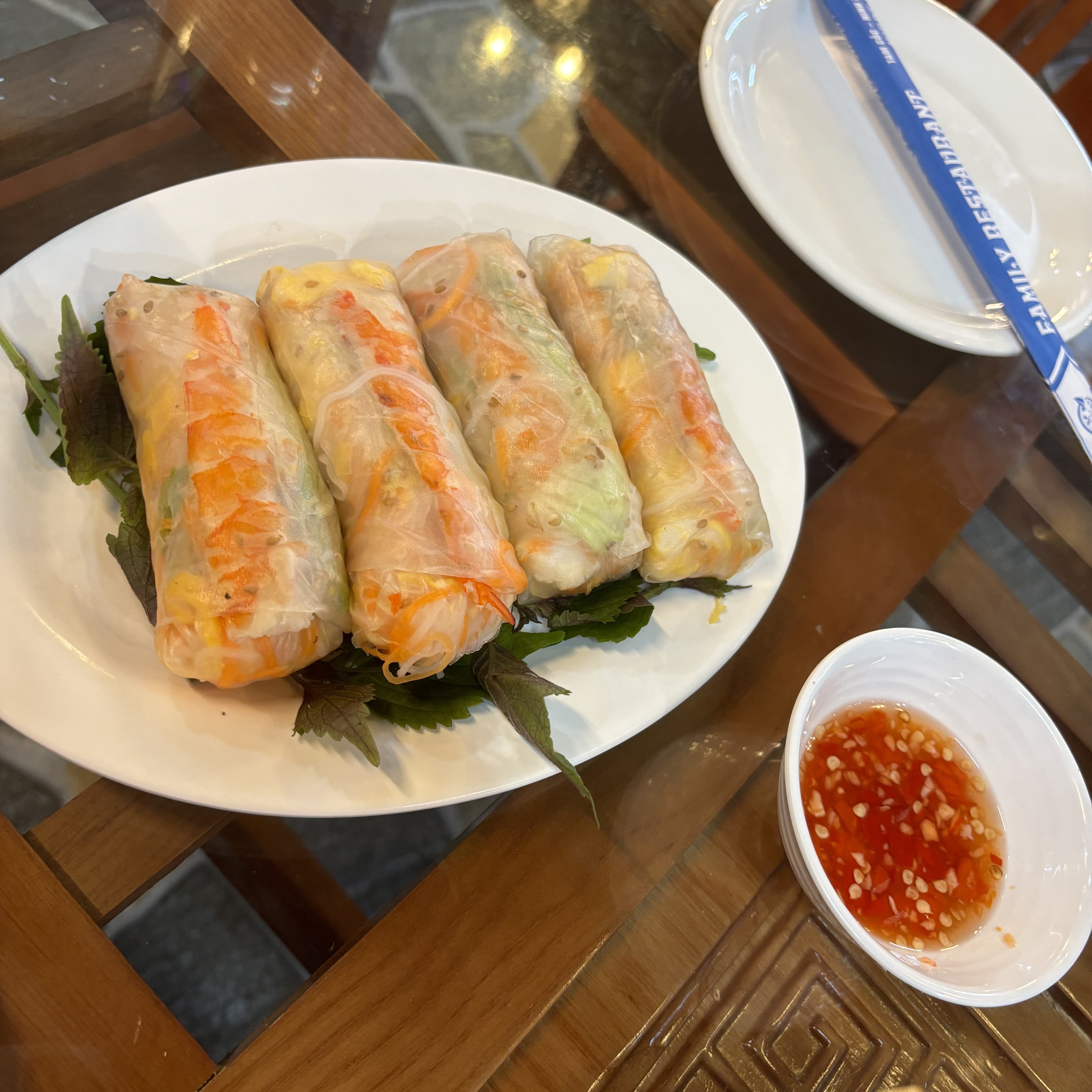
Gỏi Cuốn (Fresh Spring Rolls)
Translucent rice paper wraps around fresh herbs, vermicelli noodles, shrimp, and pork. Served at room temperature with a hoisin-peanut dipping sauce.
Regional variations: Fairly consistent throughout Vietnam, though central Vietnam may include local herbs not found elsewhere
When to eat it: Appetizer or light meal any time of day
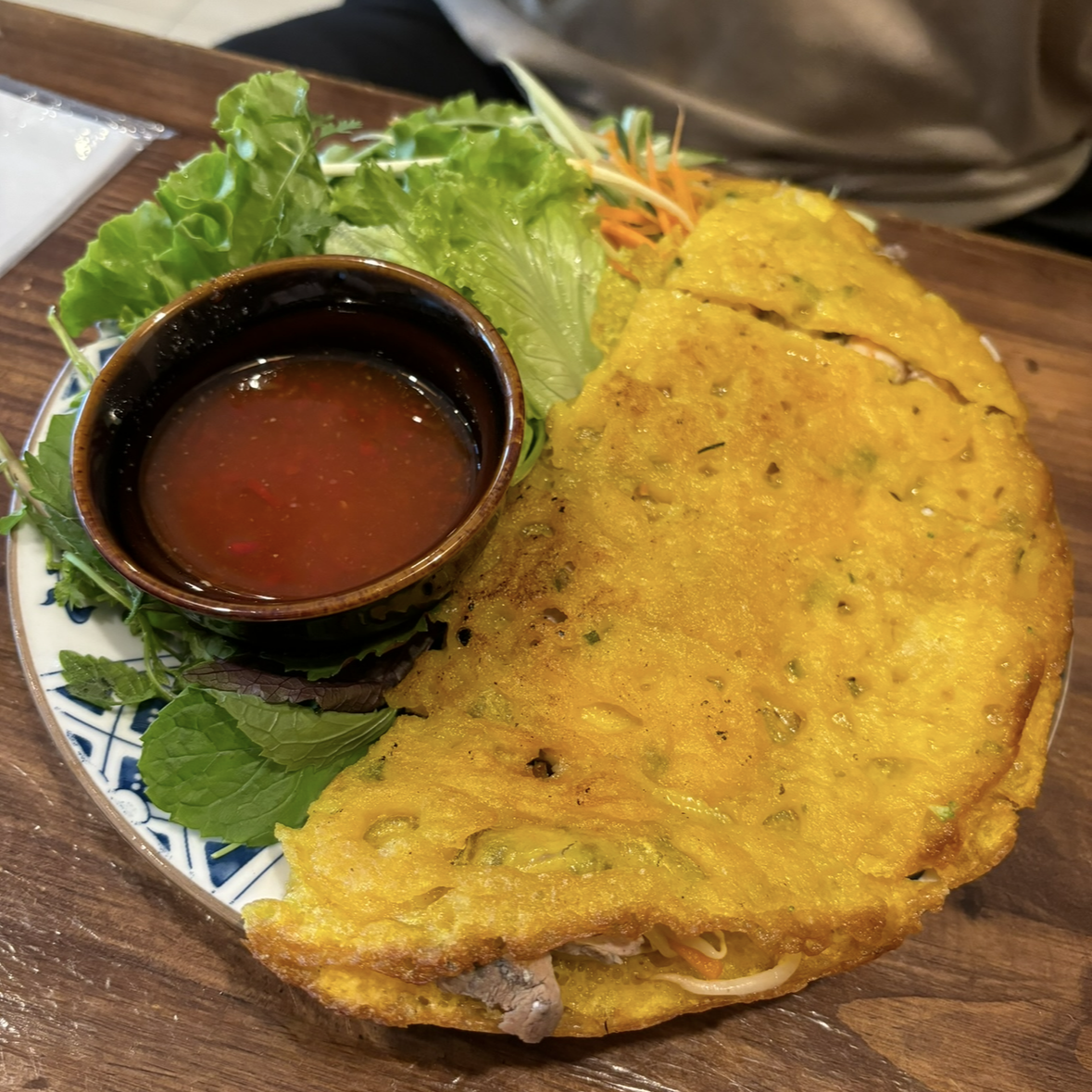
Bánh Xèo (Sizzling Pancakes)
Crispy turmeric-infused rice flour pancakes filled with pork, shrimp, and bean sprouts. These are wrapped in lettuce leaves with herbs and dipped in nước chấm.
Regional variations:
- Central-style (Hoi An): Smaller, thicker pancakes with more fillings
- Southern-style: Larger, thinner pancakes with emphasis on crispiness
When to eat it: Lunch or dinner
Cơm Tấm (Broken Rice)
This dish starts as a humble creation. It is elevated to culinary stardom. It features fractured rice grains topped with grilled pork. It includes a fried egg, pickles, and a drizzle of fish sauce.
Regional specialty: Predominantly southern, especially Ho Chi Minh City
When to eat it: Breakfast, lunch, or dinner
Chả Cá (Turmeric Fish with Dill)
White fish is marinated in turmeric and galangal. It is then pan-fried tableside with abundant dill and green onions. The dish is served with rice noodles, peanuts, and shrimp paste.
Regional specialty: A Hanoi specialty rarely found elsewhere in authentic form
When to eat it: Lunch or dinner
Bún Bò Huế (Hue Beef Noodle Soup)
The dish includes a spicy, lemongrass-infused beef broth. It has thick rice noodles and sliced beef. There are also distinctive additions like pork blood cake and pig’s knuckles.
Regional specialty: Central Vietnam, specifically Hue
When to eat it: Traditionally breakfast, now served throughout the day

Cao Lầu (Hoi An Noodles)
Unique rice noodles are traditionally made with water from specific local wells. They are topped with sliced pork, crispy crackers, bean sprouts, and herbs. Unlike many Vietnamese noodle dishes, cao lầu has minimal broth.
Regional specialty: Exclusively from Hoi An
When to eat it: Lunch or dinner
Bánh Cuốn (Steamed Rice Rolls)
Delicate rice sheets are filled with a mixture of seasoned ground pork, wood ear mushrooms, and shallots. They are then topped with crispy fried shallots. The dish is served with fish sauce dipping sauce.
Regional specialty: Northern specialty, particularly Hanoi
When to eat it: Breakfast or lunch
Dining Customs in Vietnam
Sharing Culture
Vietnamese meals are inherently social, with multiple dishes shared among diners. Rather than ordering an appetizer and main course for yourself, consider:
- Ordering several dishes for the table
- Including a mix of flavors and textures
- Following the local custom of taking small portions from shared plates

Typical Meal Structure
While not rigidly defined, Vietnamese meals often follow this pattern:
- Gỏi (salad) or light appetizers
- Món mặn (savory dishes) served simultaneously with rice
- Canh (simple soup) eaten alongside rice and main dishes, not as a separate course
- Fruit for dessert rather than sweet confections
Street Food Etiquette
Street food is an essential part of Vietnamese cuisine. Follow these tips for the best experience:
- Look for busy stalls with high turnover
- Observe how locals are eating the dish before diving in
- Expect to pay after eating at many smaller establishments
- Don’t linger at busy stalls during peak hours
Vegetarian Options
While traditional Vietnamese cuisine features fish sauce in many dishes, vegetarian options (called chay) are widely available due to Buddhist traditions:
- Bún chả giò chay: Vegetarian spring rolls with noodles
- Cơm chay: Rice with assorted vegetable dishes
- Phở chay: Vegetarian phở with mushrooms and tofu
- Bánh mì chay: Vegetarian sandwich usually featuring tofu
Look for restaurants with the word “chay” in their name for fully vegetarian menus.
Regional Flavor Profiles
As you travel through Vietnam, you’ll notice these regional flavor tendencies:
Northern Cuisine (Hanoi region)
- More subtle, less spicy
- Less sweet than other regions
- Greater Chinese influence (stir-frying techniques, use of soy sauce)
- Focus on freshwater fish and seafood from the Red River Delta
Central Cuisine (Hue, Hoi An, Da Nang)
- Spicier than northern or southern cuisine
- Complex flavor combinations
- Smaller, more elaborate portions influenced by royal dining traditions
- Greater variety of herbs and vegetables
Southern Cuisine (Ho Chi Minh City, Mekong Delta)
- Sweeter flavors with more sugar and coconut milk
- Abundant fresh fruits and vegetables from the fertile Mekong Delta
- Influence from Khmer (Cambodian) and Thai cuisines
- Greater variety of herbs and garnishes
Final Tips for Food Explorers
- Learn basic food vocabulary: Knowing terms like bún (rice vermicelli), phở (flat rice noodles), and bánh (cake/pastry/bread) helps decode menus
- Eat where locals eat: Restaurants full of Vietnamese diners are your best bet for authentic, quality food
- Follow the timing: Many specialty dishes are only available at traditional meal times
- Start mild: If you’re sensitive to spice, northern dishes are generally milder than central Vietnamese cuisine
- Embrace the unknown: Some of Vietnam’s most delicious dishes may look unfamiliar but reward the adventurous eater
Vietnamese cuisine showcases the country’s history, geography, and cultural values through its thoughtful balance of flavors and textures. By understanding these fundamental dishes, you’re equipped to explore Vietnam’s rich culinary landscape with confidence. Whether you’re dining at street-side plastic stools or in contemporary restaurants, you’ll enjoy the experience.
What Vietnamese dish are you most excited to try? Share your culinary adventures in the comments below!
 Wander with Orla