
While Vietnam’s capital is famous for staples like phở and bánh mì. Hanoi’s true culinary depth reveals itself through lesser-known specialties. These are found down narrow alleyways and in decades-old family establishments. These hidden gems showcase the sophistication of northern Vietnamese cuisine. This cuisine tends to be subtler and more nuanced than its central and southern counterparts.
I have explored Hanoi’s labyrinthine streets multiple times. Based on local recommendations, I have compiled this guide to the city’s under-the-radar culinary treasures. You will find everything from breakfast delicacies to late-night comfort foods. These specialties will enhance your Hanoi dining experience beyond the typical tourist path.
Morning Specialties: Start Your Day Like a Hanoian
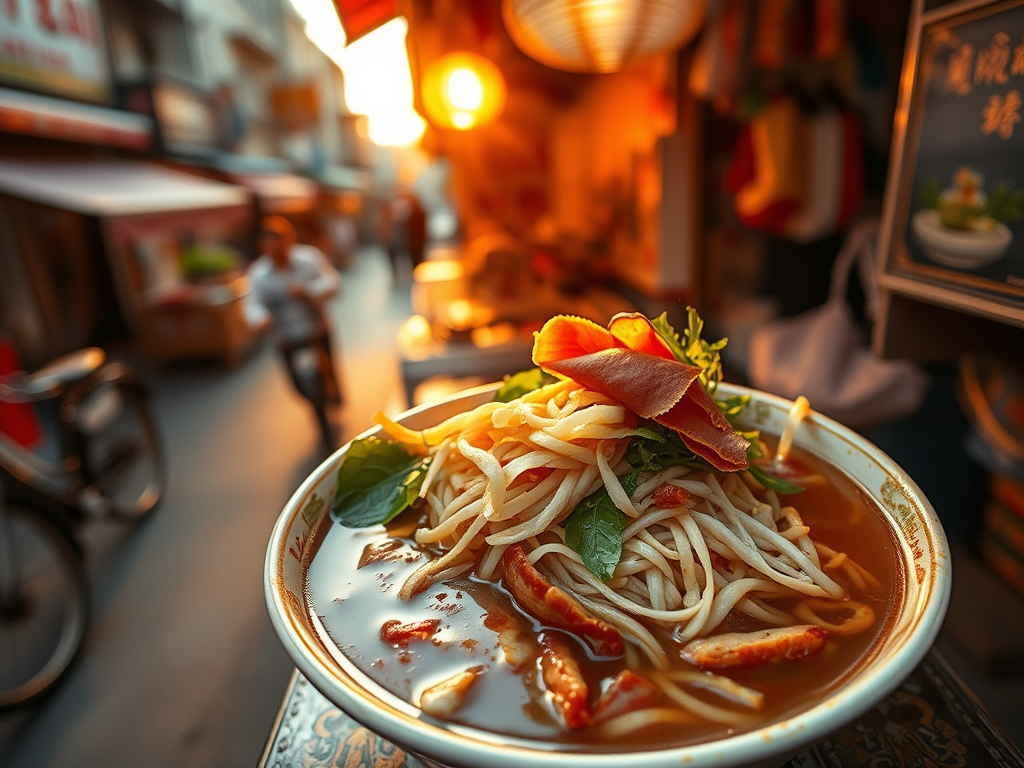
Bún Thang (Vietnamese Noodle Soup with Shredded Chicken)
This meticulously crafted soup represents the elegant precision of Hanoi cuisine. The multi-layered dish combines thin rice noodles with a delicate chicken broth. It includes precisely arranged toppings such as shredded chicken, omelet ribbons, Vietnamese ham (giò lụa), and herbs.
What makes it special: Bún thang traditionally contains 20+ ingredients carefully layered without mixing. The clear broth achieves depth without heaviness—a hallmark of refined northern cuisine.
Where to try it:
- Bún Thang Bà Đức (48 Cầu Gỗ): Serving this labour-intensive dish for generations, with a broth that’s simmered for hours and toppings prepared with meticulous attention to detail
- Bún Thang Cầu Gỗ (29 Cầu Gỗ): Another excellent option on the same street, showing how seriously Hanoians take this specialty.
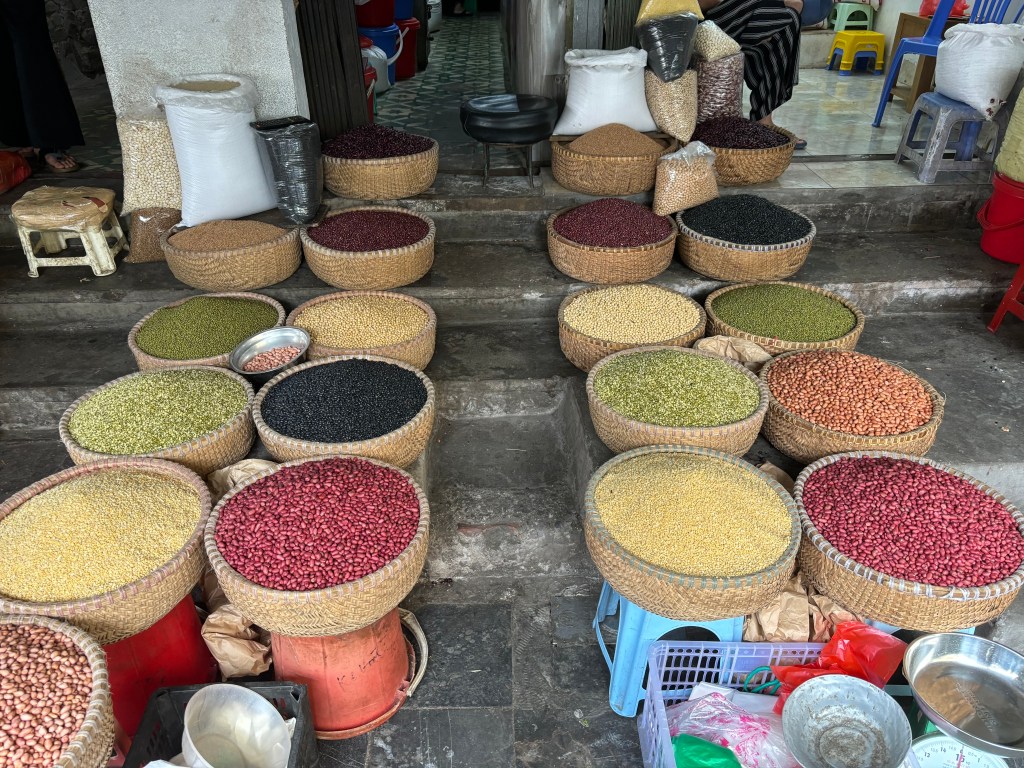
Xôi (Sticky Rice)
Sticky rice is found throughout Southeast Asia. However, Hanoi elevates it to an art form. This is achieved with elaborate savory toppings and careful preparation techniques.
What makes it special: Hanoi xôi can be a complete meal rather than just a side dish. Varieties range from xôi xéo (turmeric-colored sticky rice with mung beans) to protein-laden versions. These versions are topped with Chinese sausage, pork floss, and fried shallots.
Where to try it:
- Xôi Yến (35B Nguyễn Hữu Huân): Open until late night, offering dozens of sticky rice variations. Their xôi xéo (sticky rice with mung beans and fried shallots) is a good starting point.
- Xôi Phố Cổ (26 Lương Ngọc Quyến): A tiny storefront with plastic stools offering excellent xôi with traditional toppings.
Bánh Cuốn (Steamed Rice Rolls)
These delicate sheets of steamed rice batter filled with savory ingredients are a quintessential Hanoi breakfast dating back centuries.
What makes it special: The paper-thin rice sheets require incredible skill to make. The batter is poured onto a cloth stretched over steaming water. It is cooked for mere seconds before being filled and rolled.
Where to try it:
- Bánh Cuốn Bà Hoành (66 Tô Hiến Thành): A local institution where the rice rolls are made to order and served with fried shallots and a side of chả quế (cinnamon pork sausage).
- Bánh Cuốn Gia Truyền Thanh Vân (14 Hàng Gà): Watch as the skilled cooks pour rice batter onto cloth stretched over steaming water, creating the thinnest possible wrappers.
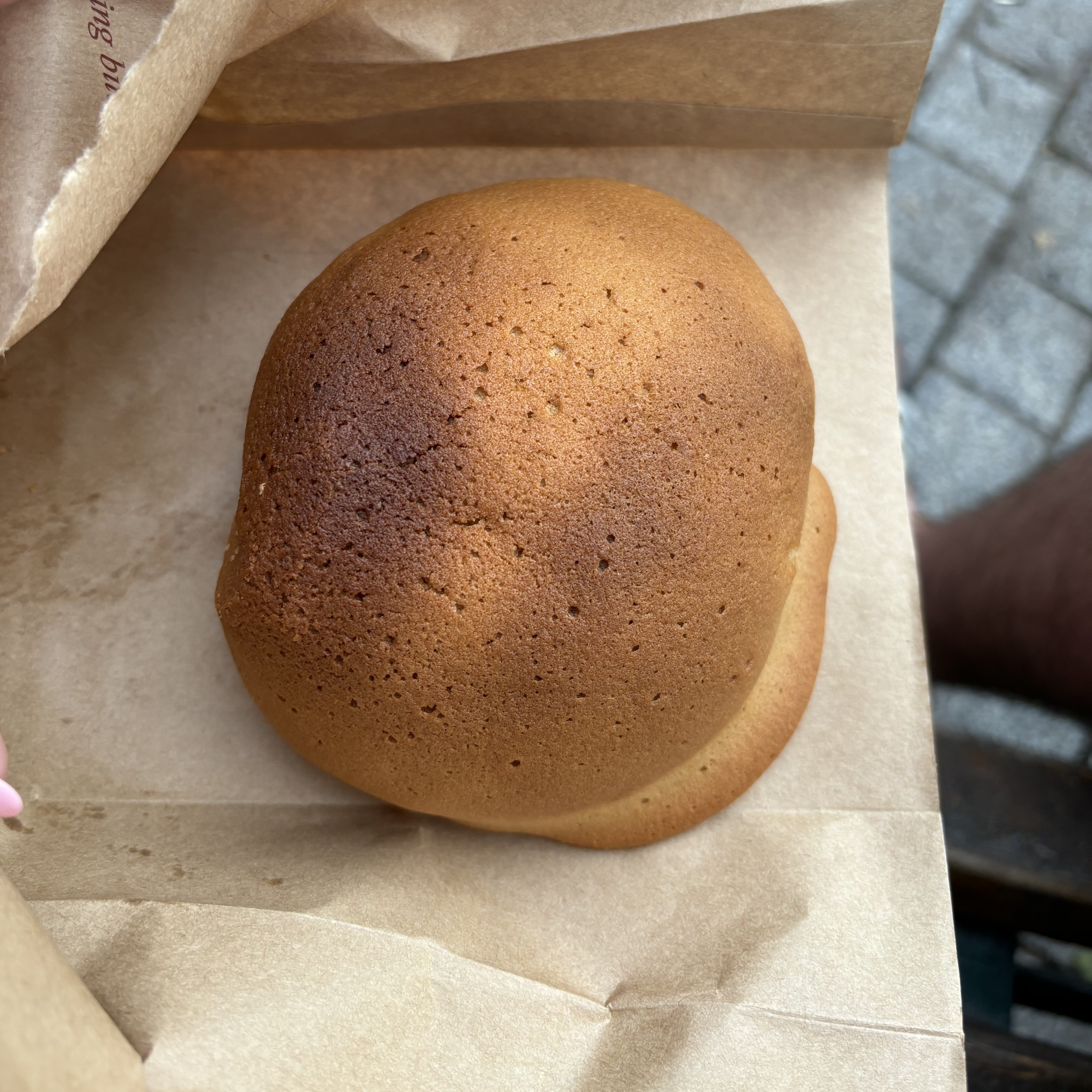
King Roti (Sweet Breakfast Pastries)
These freshly-baked sweet pastries offer a delicious alternative to traditional Vietnamese breakfast options. They have a flaky, buttery texture. They are filled with various sweet fillings.
What makes it special: These pastries have a perfect balance between light texture and rich flavor. This balance makes them less heavy than Western counterparts. They satisfy sweet cravings alongside morning coffee.
Where to try it:
- King Roti Hang Gai (34 Hàng Gài): A small bakery specializing in these addictive treats, very close to Hoan Kiem Lake. The chocolate one is good, but the cheese and coconut variations are particularly outstanding. Often has a line forming outside, but the service is quick and the still-warm pastries justify the short wait.
Midday Delights: Lunch Like a Local
Bánh Mì (Vietnamese Sandwich)
These iconic sandwiches combine crusty French baguettes with distinctly Vietnamese fillings. This creates the perfect portable meal. They showcase Vietnam’s culinary fusion heritage. The classic bánh mì includes a spread of pâté, mayonnaise, and sliced Vietnamese cold cuts. It also contains cucumber, pickled daikon and carrot, fresh cilantro, and chili. Countless variations exist featuring everything from crispy pork to sardines to egg.
What makes it special: The contrast between the crispy baguette exterior and fluffy interior is remarkable. This texture provides an ideal canvas for the complex interplay of savory meats, tangy pickles, fragrant herbs, and spicy chilies. Each bite creates a harmony of flavors and textures.
Where to try it:
- Bánh Mì Cô Ba (Multiple locations): This popular chain delivers consistently excellent sandwiches. Their crispy pork version stands out for its perfect balance of meat, vegetables, and seasonings. Despite being a chain, the quality remains impressive.
Hanoi offers countless excellent bánh mì vendors, from nameless street carts to established shops, each with their own loyal following. Following locals to their favorite sandwich spot rarely leads to disappointment.

Bún Cá (Fish Noodle Soup)
This lesser-known cousin of phở features fresh white fish and dill in a light, clear broth with rice vermicelli noodles.
What makes it special: The delicate balance between the subtle fish broth and aromatic herbs creates a refreshing lunch option. This dish is perfect for Hanoi’s hot summers.
Where to try it:
- Bún Cá Sâm Cây Si (5 Ngõ Trung Yên): Hidden down an alley, this tiny restaurant serves exceptional fish noodle soup with perfectly fried fish pieces and a fragrant broth.
Mì Vằn Thắn (Wonton Noodle Soup)
Reflecting Chinese influence on northern Vietnamese cuisine, this soup features thin egg noodles with dumplings and char siu pork.
What makes it special: The handmade wontons are crafted with skill. The balanced broth highlights Chinese culinary techniques. These techniques have influenced Hanoi’s food culture for centuries.
Where to try it:
- Mì Vằn Thắn Đinh Liệt (22 Đinh Liệt): A hole-in-the-wall specializing in wonton noodles with a flavorful broth and handmade dumplings.
Evening Experiences: Dinner and Late-Night Eats
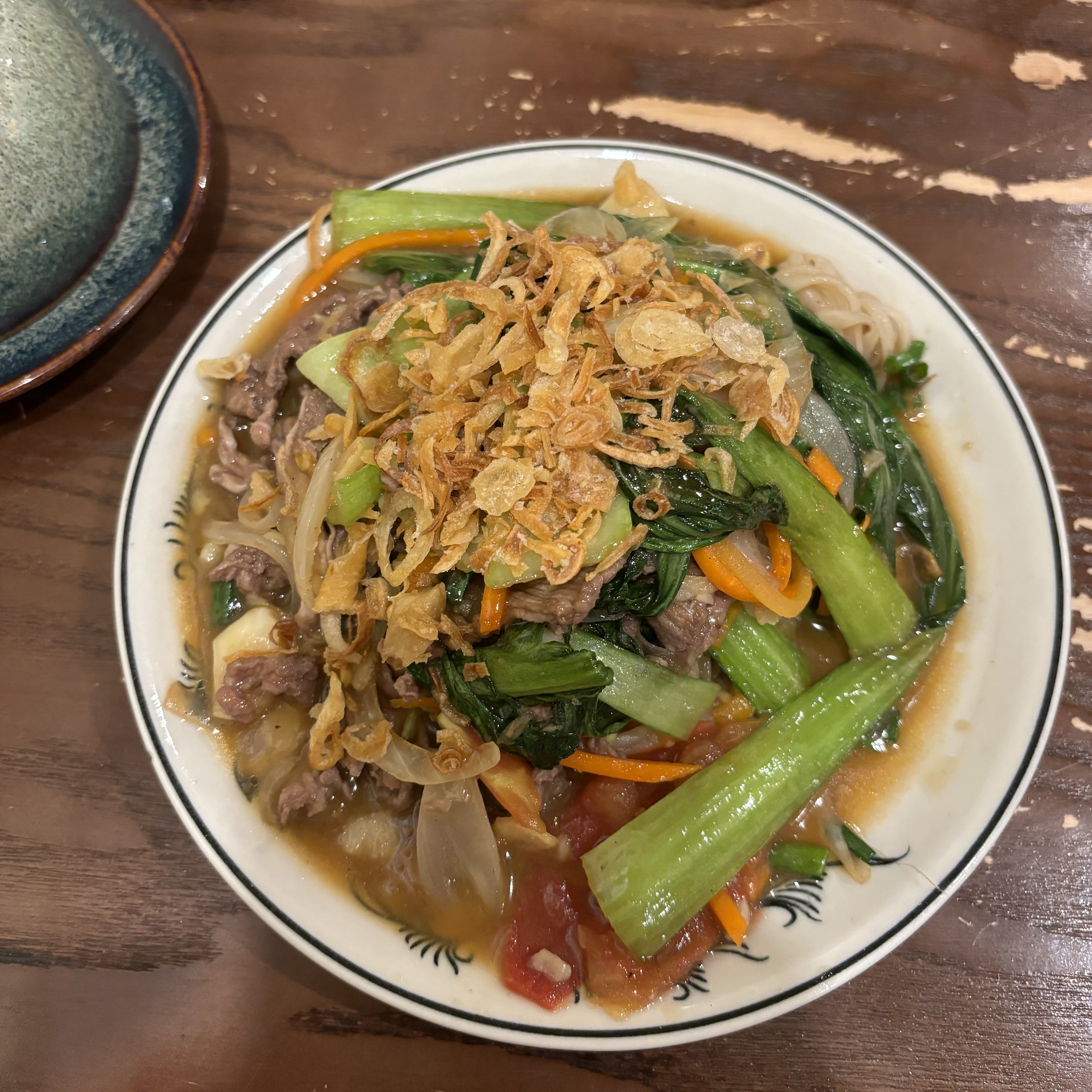
Phở Cô Hào (Pan-Fried Beef Phở)
This is a unique variation of Vietnam’s most famous dish. It features no broth. Instead, it stir-fries the rice noodles with beef and greens.
What makes it special: This dry version of phở offers an interesting textural contrast to the soup version. The noodles are infused with a charred wok flavor.
Where to try it:
- Phở Cô Hào (3 Hàng Tre): Known specifically for this unique variation where the noodles are stir-fried with marinated beef, creating a completely different experience from traditional phở.
Chả Cá (Turmeric Fish with Dill)
This iconic Hanoi specialty features chunks of white fish marinated in turmeric and galangal. It is then pan-fried tableside with abundant dill and green onions. This creates a fragrant, interactive dining experience.
What makes it special: The tableside cooking creates a theatrical element. The fish sizzles in oil with heaps of fresh dill. This releases an intoxicating aroma. The flavor combination of turmeric, dill, fish sauce, and peanuts is uniquely Hanoian.
Where to try it:
- Chả Cá Thăng Long (19-21 Đường Thành): One of the oldest establishments serving this dish, with a focused menu perfected over generations. Their traditional preparation lets the quality ingredients shine without unnecessary flourishes.
Lẩu Riêu Cua (Crab Hot Pot)
This communal dining experience features a sour tomato broth enriched with crab paste. It is served with fresh vegetables and noodles. Often, seafood or beef is provided for dipping.
What makes it special: The complex broth balances sour, savory, and slightly sweet notes. It becomes richer as the meal progresses. This happens as ingredients cook in the pot.
Where to try it:
- Lẩu Riêu Cua Bề Bề Nguyễn Khắc Hiếu (21 Nguyễn Khắc Hiếu): Specializing in this delicious hot pot with the option to add mantis shrimp (bề bề) for extra seafood flavor.
Sweet Treats and Light Bites
Chè (Sweet Soups and Puddings)
These Vietnamese desserts span a wide range of ingredients. They include everything from mung beans to lotus seeds to tropical fruits. They are typically served with crushed ice.
What makes it special: The balance of textures creates a unique experience. The not-too-sweet flavor profile makes these refreshing desserts perfect after spicy or savory meals.
Where to try it:
- Chè Bà Thập (4 Hàng Cân): Offering dozens of different chè varieties in a no-frills setting popular with locals.

Bánh Rán (Fried Glutinous Rice Balls)
These sesame-covered fried dough balls come in two varieties. The sweet variety is filled with mung bean paste. The savory variety is filled with glass noodles, mushrooms, and minced pork.
What makes it special: The contrast between the crispy exterior and chewy glutinous rice flour creates an addictive snack. It is perfect for afternoon energy boosts.
Where to try it:Bánh Rán Doremon (Alley at 52 Lý Quốc Sư): A tiny street stall is located here. It has perpetual queues. The stall serves perfect golden-brown bánh rán with sesame seeds.
Hidden Food Streets Worth Exploring
Tô Hiến Thành Street
This lesser-known food street offers a concentration of excellent local eateries without the tourism of more famous areas.
What to try here:
- Bánh cuốn at various specialists
- Bún chả from small family establishments
- Local chè varieties from street vendors
Ngõ Trung Yên Alley
This narrow alley off Điện Biên Phủ Street hosts several excellent eateries patronized almost exclusively by locals.
What to try here:
- Bún cá (fish noodle soup)
- Nem cua bể (crab spring rolls)
- Various regional specialties from northern Vietnam
Practical Tips for Food Exploration
Finding Hidden Gems
- Follow the local office workers during lunch hour (11:30am-1pm)
- Look for specialized establishments with limited menus
- Don’t be deterred by modest appearances—some of Hanoi’s best food comes from simple storefronts
Language Navigation
- Save the Vietnamese names of dishes in your phone
- Learn basic food-related phrases
- Use Google Lens to translate menus on the fly
Eating Schedule
For the most authentic experience, follow the local eating schedule:
- Early breakfast (6-8am): Phở, bánh cuốn, xôi
- Late breakfast/early lunch (10-11:30am): Bún chả, bánh mì
- Lunch (11:30am-1pm): Various specialties
- Afternoon snacks (2-5pm): Sweet treats, bánh rán
- Dinner (6-8pm): Heartier dishes, hot pots
Hanoi’s culinary landscape rewards the curious traveler willing to venture beyond familiar dishes. These hidden gems include complex soups requiring days of preparation. There are also simple street snacks perfected over generations. They showcase the depth and sophistication of northern Vietnamese cuisine. By exploring these lesser-known specialties, you’ll gain insight into Hanoi’s food culture that most visitors miss entirely.
What’s your favorite hidden gem in Hanoi’s food scene? Share your discoveries in the comments below!
 Wander with Orla
Leave a comment