

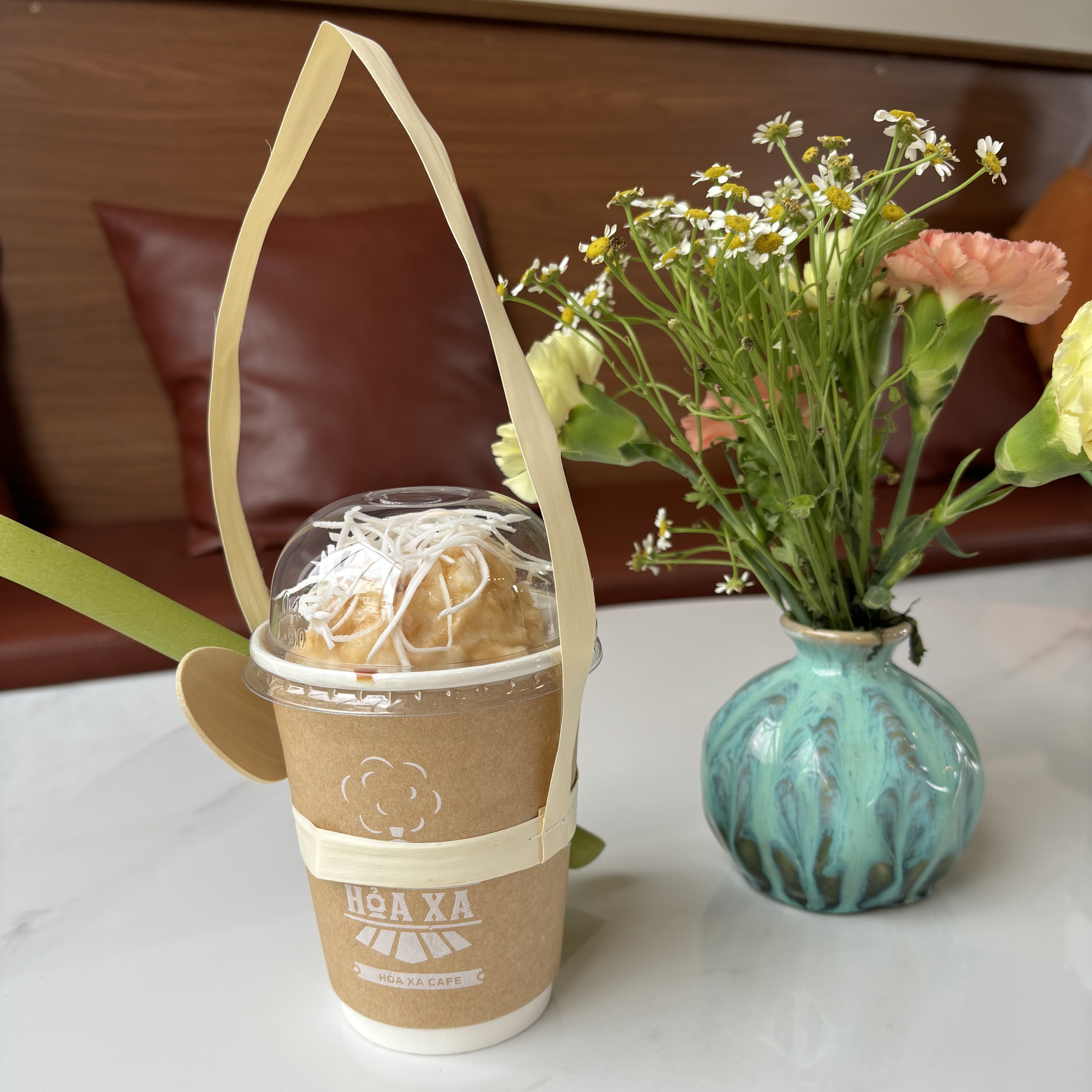
Vietnam’s relationship with coffee runs deep. It dates back to French colonial times. During this period, Europeans introduced the crop to the fertile highlands. Today, Vietnam stands as the world’s second-largest coffee producer. The country has a vibrant domestic coffee culture. It is centered around robust, dark-roasted beans prepared in uniquely Vietnamese ways.
This guide explores Vietnam’s distinctive coffee styles. It covers traditional preparations. It also highlights creative modern interpretations that you won’t find anywhere else in the world. Our specific café recommendations focus on Hanoi. Some of Vietnam’s most iconic coffee innovations originated there. The coffee varieties described can be found throughout the country. Whether you’re exploring Hanoi’s Old Quarter or Ho Chi Minh City’s bustling streets, learn these coffee variations. It will enhance your culinary adventure. This knowledge will help you order with confidence throughout your journey.
Understanding Vietnamese Coffee
Signature Vietnamese Coffee Innovations
The Classic Preparation: Cà Phê Sữa (Vietnamese Milk Coffee)
The standard Vietnamese coffee comes in two main variations:
- Cà phê sữa nóng: Hot coffee with sweetened condensed milk
- Cà phê sữa đá: Iced coffee with sweetened condensed milk
The use of sweetened condensed milk dates back to French colonial times when fresh milk was scarce. The rich, sweet milk perfectly balances the bitterness of dark-roasted robusta beans.
Where to try it: Nearly any café in Vietnam serves these classics. For an exceptional experience, try Café Lâm (60 Nguyễn Hữu Huân, Hanoi). It is one of Vietnam’s oldest cafés. It has been operating since 1956 and serves perfectly balanced traditional coffee.
Cà Phê Trứng (Egg Coffee)
This Hanoi creation features a creamy, meringue-like topping. It is made from egg yolks whipped with condensed milk. This topping is placed atop strong black coffee.
Origin story: Created in the 1940s by Mr. Nguyen Van Giang when milk was scarce during wartime. The egg-based topping was inspired by the foam on cappuccinos.
The experience: The rich, custard-like topping slowly blends with the coffee beneath. As you sip, it creates a dessert-like drink. This drink has complex flavor layers.
Where to try it: Café Giang (39 Nguyễn Hữu Huân, Hanoi). It is the birthplace of egg coffee. Now it is run by the founder’s son. Their closely-guarded family recipe remains the standard against which all others are measured.
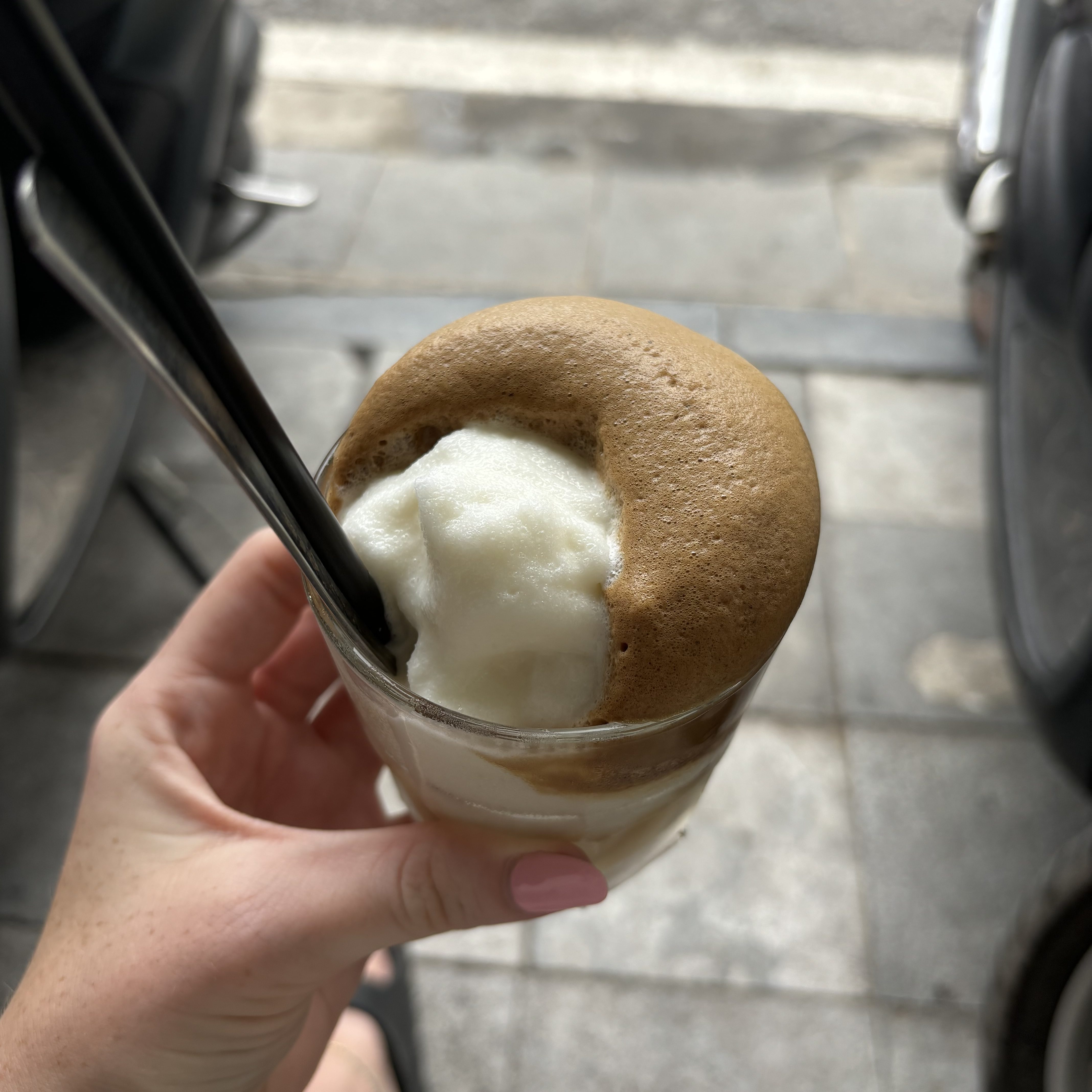
Cà Phê Dừa (Coconut Coffee)
This refreshing option blends Vietnamese coffee with coconut cream, ice, and condensed milk. It creates a beverage that is somewhere between coffee and dessert. This is definitely my favourite Vietnamese coffee
The experience: Smooth, refreshing, and less intense than traditional Vietnamese coffee—perfect for hot afternoons.
Where to try it: Cộng Cà Phê (Multiple locations throughout Vietnam) – Their coconut smoothie coffee (cà phê cốt dừa) is popular. Many people extremely enjoy it. This coffee is now their signature drink. It is served in a branded takeaway cup that’s become an Instagram staple.

Cà Phê Muối (Salt Coffee)
A newer innovation featuring a layer of rich, creamy foam made with salt, cheese, and milk.
The experience: The salt enhances the coffee’s sweetness. The cheese creates a creamy texture similar to a latte. It has a distinctive flavor profile.
Where to try it: Café Giảng Muối (106 Yên Phụ, Hanoi). It is a branch of the famous Café Giang. It specializes in this unique salt coffee variation.
Cà Phê Sữa Chua (Yogurt Coffee)
This unusual combination pairs the tanginess of Vietnamese yogurt with the richness of coffee for a refreshing treat.
The experience: A perfect balance of sour and sweet with coffee undertones, often served over ice for a refreshing pick-me-up.
Where to try it: AHA Café (Multiple locations in Hanoi and other cities). This popular chain has perfected the yogurt coffee. It achieves an ideal balance between the yogurt’s tanginess and the coffee’s bitterness.
Cà Phê Đậu Phộng (Peanut Butter Coffee)
One of the newer innovations in Vietnamese coffee creativity, this rich concoction combines Vietnamese coffee with creamy peanut butter.
The experience: A decadent, dessert-like coffee with nutty undertones and rich mouthfeel. The combination sounds unusual but works surprisingly well, especially when served cold.
Where to try it: The Hanoi Social Club (6 Ngõ Hội Vũ, Hanoi). This expat-friendly café serves an excellent peanut butter coffee. It offers a relaxed, creative atmosphere. The seating is comfortable and perfect for lingering.
Cà Phê Caramel Muối (Salted Caramel Coffee)
This modern interpretation combines Vietnamese coffee with the globally popular flavor of salted caramel.
The experience: Sweet, salty, and bitter notes combine for a complex flavor profile with excellent balance. Usually served cold with plenty of ice.
Where to try it: Lermalermer (16 Hàng Bè, Hanoi) – This stylish café excels at creative coffee variations. Their salted caramel coffee stands out for its perfectly balanced flavors.

Regional Coffee Variations
Vietnamese coffee styles vary by region, with distinctive local interpretations worth seeking out during your travels:
Northern Style (Hanoi)
- Tends to be stronger and more bitter
- Often served with less ice when cold
- Famous for creative variations like egg coffee
- Typically enjoyed at a leisurely pace in traditional cafés
Central Style (Hue, Da Nang, Hoi An)
- Often prepared with a blend of arabica and robusta beans
- May incorporate local ingredients like cinnamon or cardamom
- Frequently served alongside local tea as part of café culture
- Look for ca phe muoi (salt coffee) variations in this region
Southern Style (Ho Chi Minh City)
- Generally sweeter than northern preparations
- Often served with more ice in larger glasses
- Frequently incorporates modern brewing methods alongside traditional phin
- Cafés often feature air conditioning and contemporary design
Practical Coffee Tips for Visitors
Ordering Like a Local
- “Cà phê nâu đá” = Iced coffee with condensed milk
- “Cà phê đen đá” = Iced black coffee
- “Cà phê nâu nóng” = Hot coffee with condensed milk
- “Cà phê trứng” = Egg coffee
Coffee Strength Caution
Vietnamese coffee contains significantly more caffeine than most Western coffee. Consider these tips:
- Start with coffee with condensed milk, which helps balance the intensity
- Perhaps avoid drinking Vietnamese coffee late in the day until you know how it affects you
- Stay hydrated—most cafés serve complimentary tea alongside coffee
Buying Coffee to Take Home
- Look for beans that have been roasted recently
- Many specialty shops will grind beans to your preferred consistency
- Traditional Vietnamese coffee often contains additives like butter and chocolate—ask if you prefer pure beans
- Vacuum-sealed packages maintain freshness longer during travel
Vietnamese coffee culture offers a fascinating journey through the country’s history, culinary innovation, and social customs. From the traditional phin-brewed cup to creative modern interpretations, exploring these diverse coffee styles offers insight into Vietnamese culture. This understanding goes far beyond the caffeine boost. Each unique preparation tells a story about Vietnam’s past. It also reflects the present. Coffee exploration becomes an essential part of any visit to this captivating country.
What’s your favorite Vietnamese coffee variation? Share your coffee experiences in the comments below!
 Wander with Orla