

The ancient capitals of Northern Thailand offer travelers a refreshing contrast. They differ from the beaches of the south and the urban energy of Bangkok. With limited vacation time, many travelers face the dilemma: Chiang Mai or Chiang Rai? I have spent time in both cities. I’m breaking down their differences. This will help you decide which deserves your precious travel days or how to effectively combine them.
The Quick Comparison
Chiang Mai is larger, more developed for tourism, and offers a wider range of activities, dining options, and accommodations. It’s an ideal base for exploring northern Thailand, with excellent transport connections and infrastructure.
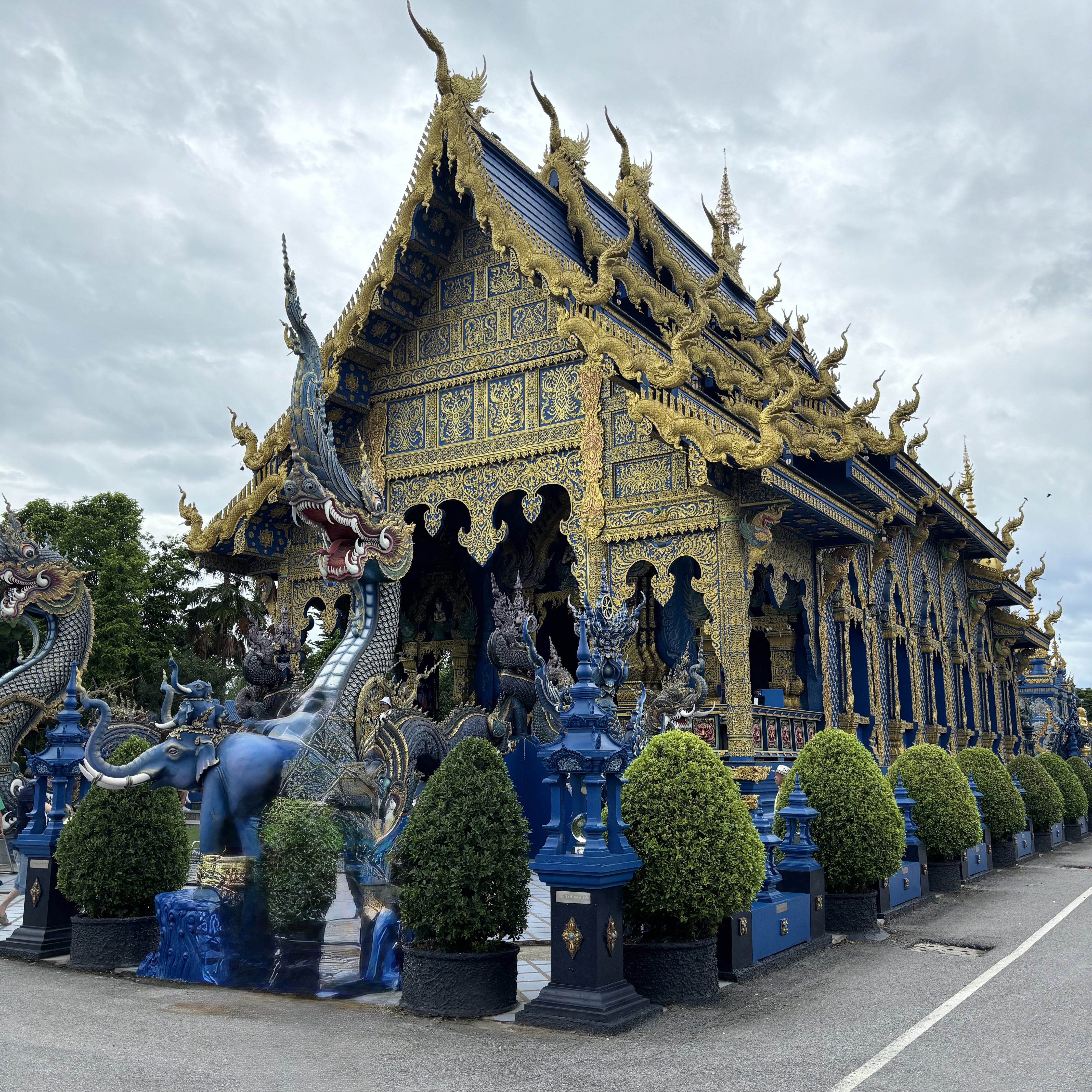
Chiang Rai is smaller, more laid-back, and provides a more authentic glimpse into northern Thai life with fewer tourists. Its signature white, blue, and black temples are truly unique artistic visions unlike anything else in Thailand.
Getting Between the Cities
Before deciding between them, know that traveling between Chiang Mai and Chiang Rai is straightforward:
- Bus: The most economical option (฿230-300), taking 3-3.5 hours. The Green Bus company offers hourly departures with online booking available.
- Private Car/Taxi: Around ฿2,500-3,000, taking 3 hours.
- Guided Tour: Many companies offer day trips from Chiang Mai to Chiang Rai’s highlights, but this is rushed and doesn’t allow you to experience Chiang Rai’s charm after day-trippers leave.
Recommendation: If you have 5+ days in Northern Thailand, visit both cities rather than choosing. Spend 3-4 days in Chiang Mai and 2 days in Chiang Rai.
Chiang Mai: The Rose of the North
What Makes It Special
Founded in 1296 as the capital of the Lanna Kingdom, Chiang Mai balances historical significance with modern comforts. The old city’s moat-surrounded square contains over 30 temples. The surrounding areas offer everything from sophisticated dining to adventure activities.
Who It’s Perfect For
- First-time visitors to Northern Thailand
- Digital nomads needing infrastructure
- Food enthusiasts exploring Northern Thai cuisine
- Travelers seeking diverse activities in one base
- Shoppers interested in artisanal crafts
Top Experiences
The Old City Temples
The highest concentration of temples in Thailand creates a spiritual atmosphere unlike anywhere else. While there are dozens worth visiting, don’t miss:
- Wat Phra Singh: Houses the revered Phra Singh Buddha image
- Wat Chedi Luang: Features a partially ruined 15th-century chedi (stupa)
- Wat Umong: A forest temple with underground tunnels and a peaceful setting

Muay Thai Shows
Chiang Mai hosts some of Thailand’s most exciting Muay Thai (Thai boxing) events outside of Bangkok. These authentic fighting displays combine athleticism, tradition, and cultural spectacle.
Top Venues:
- Thapae Boxing Stadium: The largest and most popular venue in Chiang Mai, located near Thapae Gate, offering fights on Mondays, Thursday, and Saturdays.
- Loi Kroh Boxing Stadium: Set in Chiang Mai’s nightlife district with fights on Mondays, Wednesdays, and Fridays. The intimate setting puts you close to the action.
- Chiang Mai Boxing Stadium: A newer, purpose-built facility with better infrastructure and more professional events, though slightly outside the city center.
An evening typically includes 6-8 fights ranging from young beginners to seasoned professionals. Traditional music accompanies the bouts, and pre-fight rituals (wai kru) showcase the spiritual aspects of this martial art. Tickets range from ฿600-1,500 depending on the venue and seating category. VIP options usually include better seats and complimentary drinks. However, in our experience, there was almost no difference between VIP and non-VIP seating. Typically, it’s just 1 or 2 rows behind as the ‘stadiums’ are very small.
Local Tip: Chiang Rai does not have permanent Muay Thai stadiums for regular spectator shows like Chiang Mai. Some gyms occasionally host events. For consistent Muay Thai experiences, Chiang Mai is the better choice.
Cooking Classes
Chiang Mai has established itself as Thailand’s cooking class capital, making it an essential experience for food enthusiasts:
- Zabb E Lee Cooking School: Offers intimate classes (2-10 students) with market tours and individual cooking stations in an open-air setting. Their half-day courses include 4-5 dishes of your choice from their extensive menu. It was a personal favourite, and so much fun!
- Thai Farm Cooking School: Located on an organic farm where you harvest ingredients before cooking.
- Mama Noi: Specializes in northern Thai cuisine with detailed instruction on regional specialties.
Most classes range from ฿1,000-1,300 and include transportation, market tours, and all ingredients.


Market Experiences
The Sunday walking street market is a weekly event. It transforms Ratchadamnoen Road into a vibrant showcase of handicrafts. You can also enjoy performances and food. Arrive early (4 PM) to beat the crowds, and venture down the side streets where local artisans sell unique pieces. Beyond this, Chiang Mai has several other market experiences worth exploring:
- Warorot Market (Kad Luang): The century-old central market where locals shop daily.
- Ton Payom Market: Less touristy with excellent northern Thai breakfast options.
- Night Bazaar: Though more commercial, it’s still worth visiting for dinner and souvenirs.
Hoi Suthep and Beyond
The sacred mountain overlooking Chiang Mai deserves at least half a day:
- Wat Phra That Doi Suthep: The iconic temple with panoramic city views
- Bhubing Palace: Royal winter residence with magnificent gardens
- Doi Pui Hmong Village: Cultural insights into one of Thailand’s hill tribes
Ethical Elephant Experiences
Several sanctuaries around Chiang Mai offer no-riding elephant interactions:
- Elephant Nature Park: The pioneer in ethical elephant tourism
- Elephant Jungle Sanctuary: Offers half-day and full-day visits
- Karen Elephant Experience: Smaller, more intimate operation

Cost of Accommodation
- Budget Accommodation: ฿400-800 for hostels and basic guesthouses
- Mid-range Hotels: ฿1,200-2,500 for comfortable rooms with amenities
- Luxury Options: ฿3,500+ for boutique hotels and resorts
Chiang Rai: The Artistic Soul of the North
What Makes It Special
Chiang Rai offers a slower pace with spectacular artistic and architectural sights. The city served briefly as the capital of the Lanna Kingdom before Chiang Mai. It maintains strong connections to its cultural roots and hill tribe communities.
Who It’s Perfect For
- Art and architecture enthusiasts
- Travelers seeking authentic local experiences
- Those looking to escape tourist crowds
- Nature lovers exploring the Golden Triangle
- Photographers capturing unique landscapes
Top Experiences
The Iconic Temple
Chiang Rai’s three famous temples showcase contemporary artistic vision integrated with traditional Buddhist themes:
- Wat Rong Khun (White Temple): Artist Chalermchai Kositpipat’s ongoing masterpiece combines traditional Buddhist elements with surreal, sometimes pop-culture imagery.
- Wat Rong Suea Ten (Blue Temple): A newer addition with vibrant sapphire interiors and intricate details.
- Baandam Museum (Black House): Not technically a temple, but artist Thawan Duchanee’s collection of buildings housing his dark, thought-provoking creations.
Tea Plantations and Hill Tribe Villages
The mountainous areas surrounding Chiang Rai offer cultural and natural experiences:
- Doi Mae Salong: Former KMT settlement now known for Chinese culture and tea production
- Akha and Lahu Villages: Authentic hill tribe communities (visit with a responsible guide)
- Choui Fong Tea Plantation: Picturesque terraced fields with tasting opportunities
The Golden Triangle
The historic border region where Thailand meets Myanmar and Laos:
- Golden Triangle Viewpoint: Where the Mekong and Ruak rivers converge
- Hall of Opium Museum: Excellent exhibition on the region’s complicated history
- Boat Trips: Short excursions on the Mekong to see all three countries
Local Markets and Food Scene
While smaller than Chiang Mai’s markets, Chiang Rai’s local markets offer authentic experiences:
- Night Bazaar: Evening market with local foods and performances
- Morning Market: Where locals shop for fresh ingredients
- Saturday Walking Street: Smaller but more authentic than Chiang Mai’s version
Cost of Accommodation
- Budget Accommodation: ฿300-600 for basic guesthouses
- Mid-range Hotels: ฿800-1,800 for comfortable rooms
- Luxury Options: ฿2,500+ for riverside resorts and boutique hotels
Practical Considerations
Best Time to Visit
Both cities share similar weather patterns:
- November-January: Cool season – perfect weather, but peak tourism
- February-April: Hot season – temperatures can reach 35°C+ (95°F+)
- May-October: Rainy season – afternoon showers, lush landscapes, fewer tourists
Warning: Avoid March-April if possible due to burning season, when agricultural fires create hazardous air quality throughout Northern Thailand.
Getting There
Chiang Mai:
- International airport with direct flights from Bangkok, Singapore, Hong Kong, and major Chinese cities
- Overnight trains from Bangkok (12-15 hours) offer a scenic, comfortable journey
- VIP buses from Bangkok (10-12 hours) are economical but less comfortable
Chiang Rai:
- Smaller airport with frequent connections to Bangkok (1 hour)
- No train service
- Bus connections from Chiang Mai (3-4 hours) and Bangkok (12-13 hours)
The Verdict: Which City Wins?
The honest answer is that neither city “wins” – they complement each other perfectly.
Choose Chiang Mai if:
- You only have 2-3 days in Northern Thailand
- You’re a first-time visitor to the region
- You need reliable digital nomad infrastructure
- You want a wider range of activities and dining options
Choose Chiang Rai if:
- You’ve already visited Chiang Mai
- You prefer quieter, less touristy destinations
- You prioritize unique architectural sights
- You’re interested in border regions and hill tribe cultures
Choose both if:
- You have 5+ days in Northern Thailand
- You appreciate both bustling city energy and peaceful small-town vibes
- You want to experience the full spectrum of Northern Thai culture
Final Thoughts
Northern Thailand offers an experience vastly different from the beaches of the south or the urban chaos of Bangkok. The ancient Lanna culture offers a unique ambiance. The cooler climate and stunning mountain scenery enhance this distinct atmosphere. Many travelers find this to be their favorite part of Thailand.
You may choose the cosmopolitan energy of Chiang Mai. Alternatively, you might prefer the artistic soul of Chiang Rai. Ideally, you can experience both cities. Northern Thailand rewards those who take the time to venture beyond the obvious tourist trail. It invites engagement with its unique cultural heritage.
Have you visited Northern Thailand? Which city captured your heart? Share your experiences in the comments below!
 Wander with Orla