

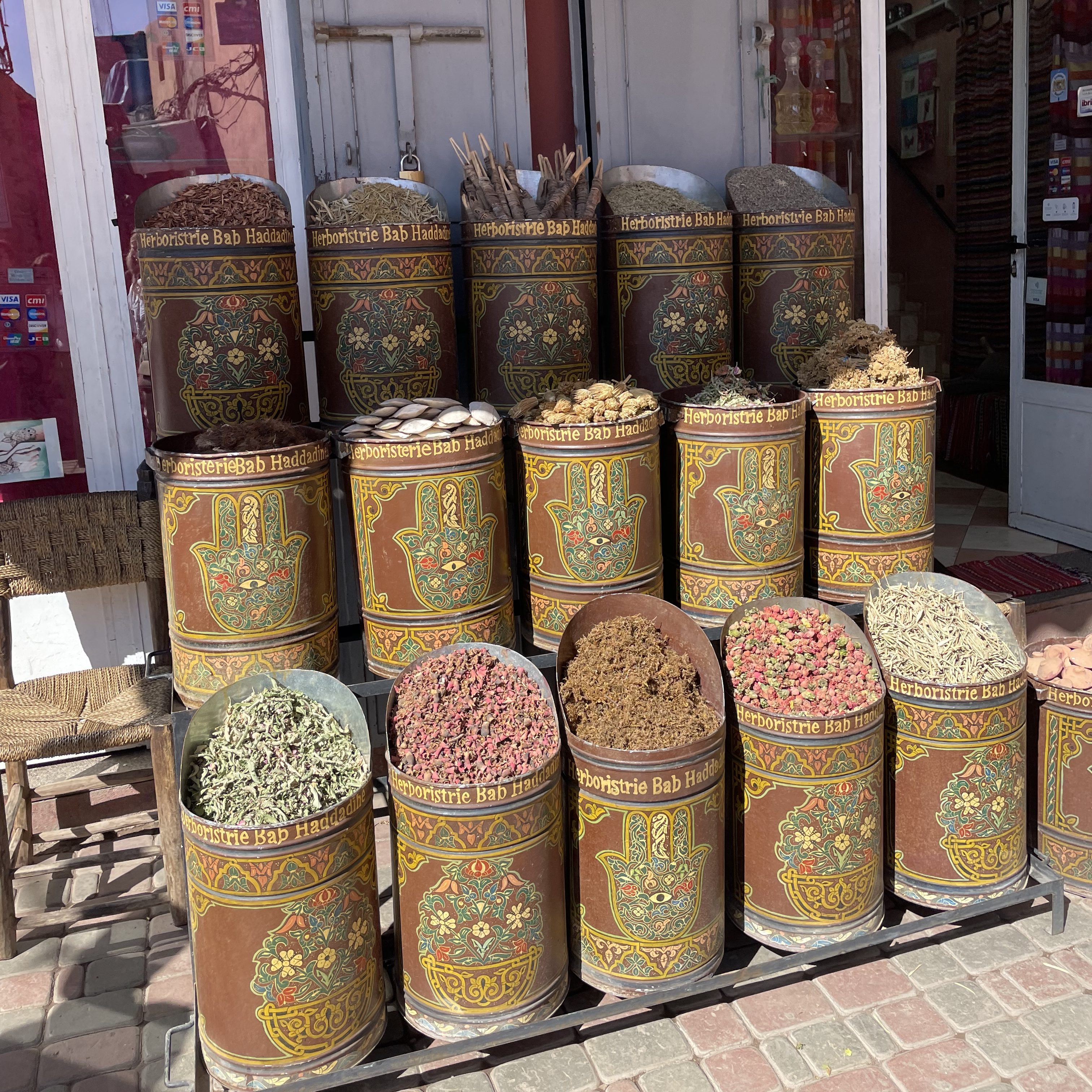
Thai cuisine has conquered the world with its bold flavors and aromatic herbs. However, ordering beyond pad thai can be intimidating for newcomers. I have created this beginner’s guide after eating my way through Thailand. It will help you understand the fundamentals of Thai food. You will learn about regional variations, essential ingredients, and how to order like a local.
The Four Regions of Thai Cuisine
One of the first things to understand about Thai food is that it’s not the same in every location. There are regional differences and specialities. The country’s cuisine is generally divided into four distinct regions, each with its own flavour profile and signature dishes:
Northern (Lanna)
Signature Dishes:
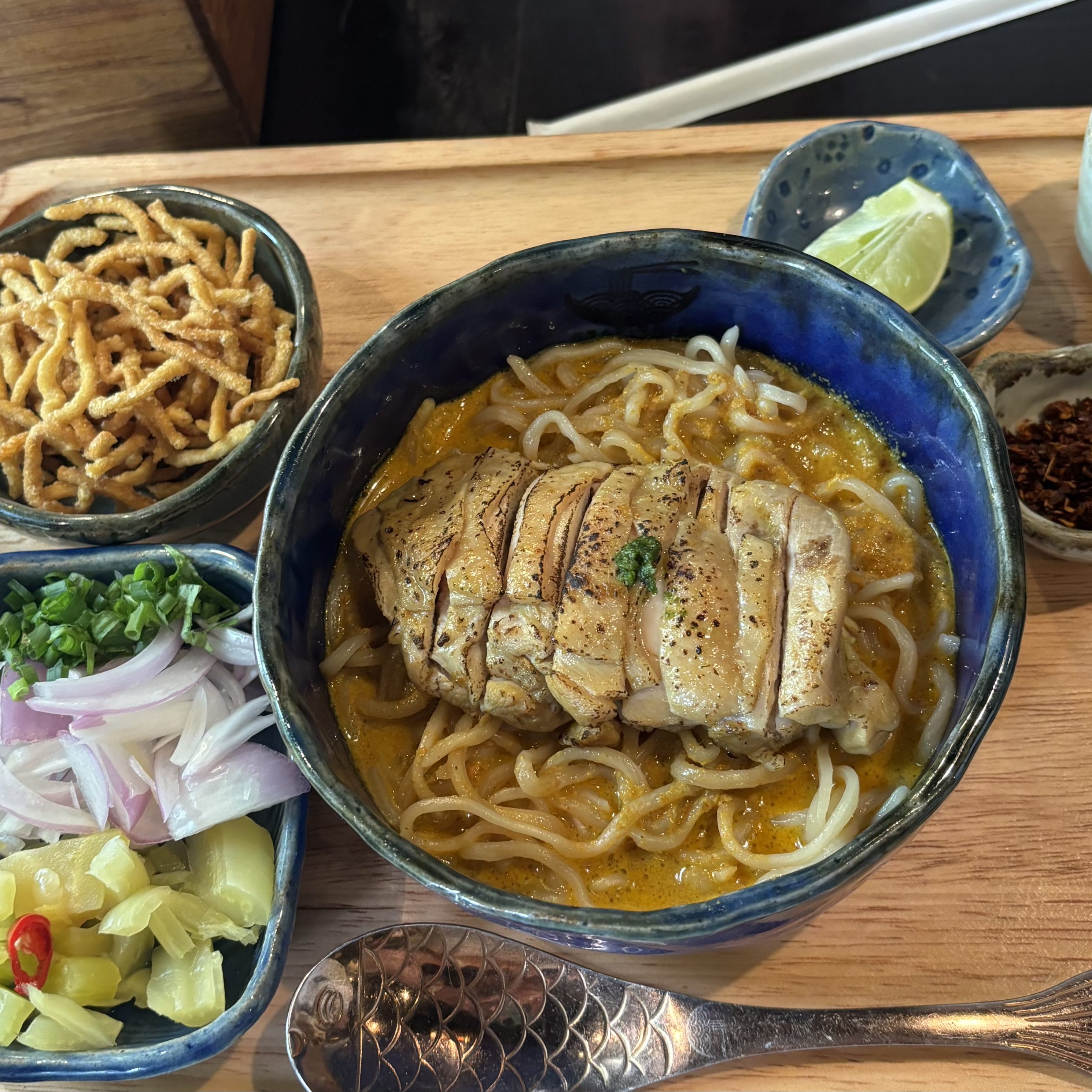
- Khao Soi: A curry noodle soup topped with crispy noodles
- Nam Prik Ong: A tomato-pork chili dip eaten with vegetables
- Sai Oua: Herbaceous pork sausage
Northeastern (Isaan)
Signature Dishes:
- Som Tam: Spicy green papaya salad
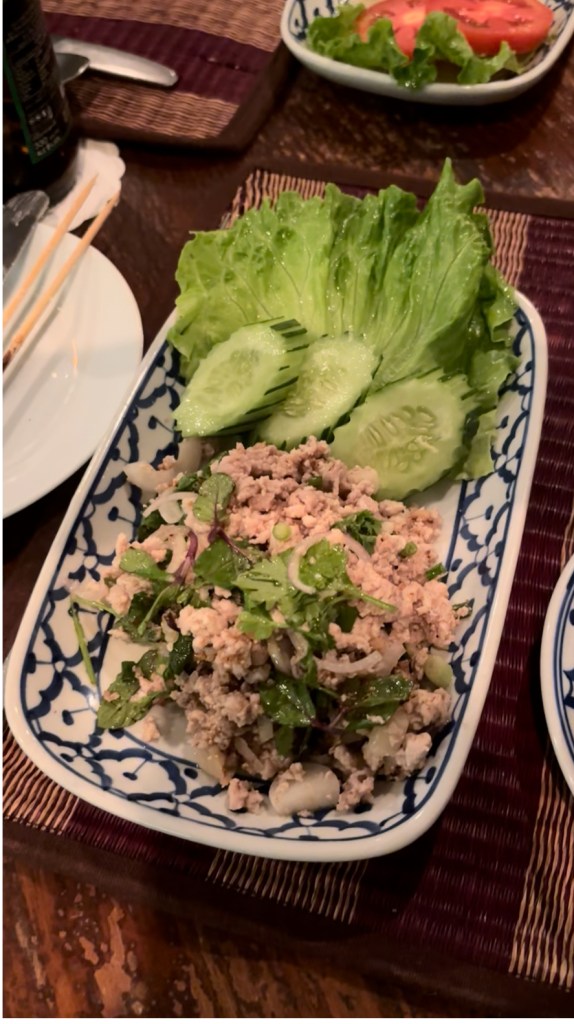
- Larb: Minced meat salad with herbs and toasted rice powder
- Gai Yang: Grilled chicken with sticky rice
Central
Signature Dishes:
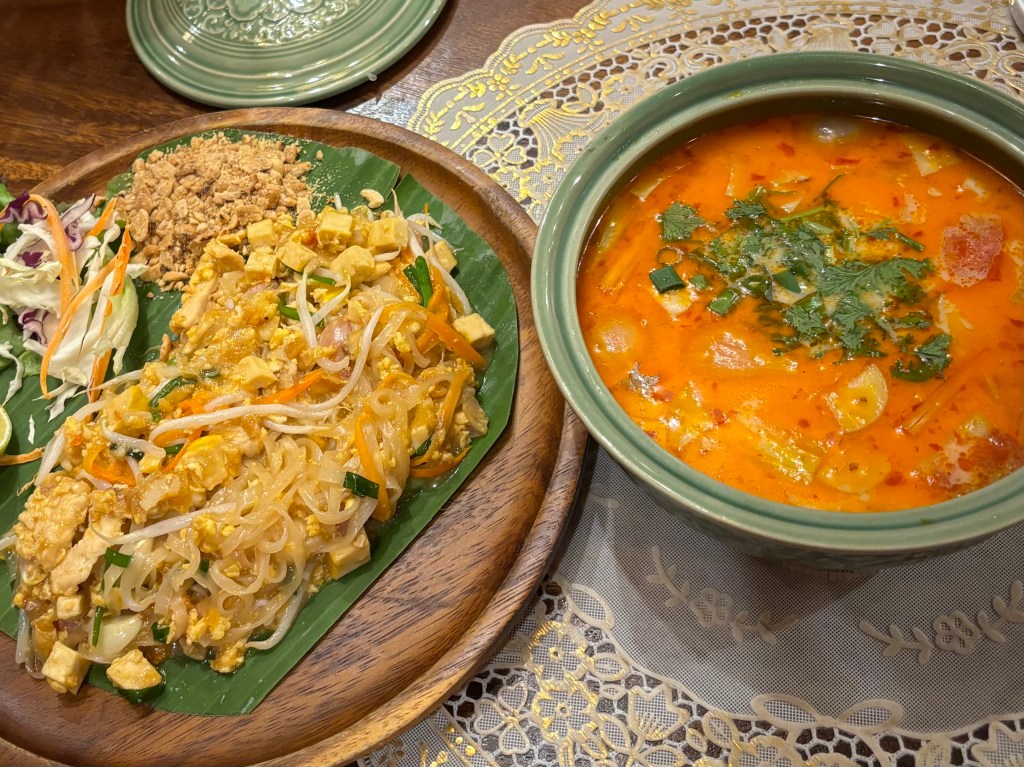
- Tom Yum Goong: Hot and sour shrimp soup
- Gaeng Keow Wan: Green curry with coconut milk
- Pad Thai: Stir-fried rice noodles with tamarind sauce
Southern
Signature Dishes:
- Gaeng Som: Sour curry with fish and vegetables (no coconut milk)
- Khua Kling: Dry-fried minced meat with intense spices
- Moo Hong: Five-spice braised pork belly (Chinese influence)
Essential Thai Ingredients
Understanding these key ingredients helps decode Thai menus and appreciate the complexity of dishes:
The Fab Four Flavors
Thai cuisine aims to balance four fundamental flavors in most dishes:
- Salty: Fish sauce (nam pla), soy sauce, shrimp paste
- Sweet: Palm sugar, coconut sugar, cane sugar
- Sour: Lime, tamarind, green mango, vinegar
- Spicy: Various chilies, from mild to face-melting
Essential Herbs and Aromatics
- Lemongrass: Citrusy stalks that add fragrance
- Galangal: Looks like ginger but has a sharper, citrusy flavor
- Kaffir Lime Leaves: Intensely aromatic citrus leaves
- Thai Basil: Two main varieties – holy basil (hot and peppery) and sweet basil (anise notes)
- Cilantro/Coriander: Both leaves and roots are used
Pantry Staples
- Fish Sauce (Nam Pla): The salt foundation of Thai cooking
- Shrimp Paste (Kapi): Fermented paste that adds umami depth
- Coconut Milk: The creamy base for many curries and desserts
- Palm Sugar: Less refined than white sugar, with caramel notes
- Tamarind: Sour fruit pulp used in many dishes including pad thai
Types of Thai Dishes
Thai menus often organize dishes by cooking method. Here’s how to navigate the categories:
Gaeng (แกง) – Curries
Contrary to popular belief, not all Thai curries contain coconut milk. They range from rich and creamy to sour and watery:
- Gaeng Keow Wan (Green): The spiciest curry, made with fresh green chilies
- Gaeng Daeng (Red): Versatile curry made with dried red chilies
- Gaeng Massaman: Muslim-influenced curry with warm spices like cinnamon and cardamom
- Gaeng Panang: Thicker curry with nutty, sweet flavors
- Gaeng Som: Sour orange curry without coconut milk (southern specialty)
Spice Level Tip: Coconut-based curries can be ordered milder by saying “mai pet” (not spicy). Non-coconut curries are harder to tone down.
Yam (ยำ) – Salads
Thai salads are nothing like Western salads. They’re spicy, sour flavor bombs with various proteins:
- Som Tam: Green papaya salad, the most famous Thai salad
- Yam Woon Sen: Glass noodle salad with seafood or pork
- Larb: Minced meat with herbs, lime, and toasted rice powder (technically Isaan)
Beginner Tip: These are quite spicy. For a milder introduction, try Yam Mamuang (green mango salad).
Tom (ต้ม) – Soups
Fragrant, broth-based soups that are often meal-sized:
- Tom Yum: Hot and sour soup, usually with shrimp
- Tom Kha: Coconut soup with galangal and usually chicken
- Tom Sap: Clear, spicy northeastern-style soup
Pad (ผัด) – Stir-Fries
Quick-cooked dishes typically prepared in a wok:
- Pad Thai: The famous noodle dish with tamarind, egg, bean sprouts
- Pad Krapow: Stir-fried meat with holy basil (locals’ favorite)
- Pad See Ew: Wide noodles fried with dark soy sauce and vegetables
How to Order Thai Food Like a Local
Essential Food Phrases
- Mai pet: Not spicy
- Pet nit noi: A little spicy
- Pet mak: Very spicy
- Aroy: Delicious
- Kob khun: Thank you
- Check bin: Bill, please
Understanding Spice Levels
When a Thai person says something is “not spicy,” it often means “only a little spicy” by Western standards. Be specific about your heat tolerance:
- For truly mild food, say “mai pet loey” (not spicy at all)
- To test waters, try “pet nit noi” (a little spicy)
- Only say “pet mak” (very spicy) if you’re absolutely sure!
Typical Thai Meal Structure
Unlike Western meals, Thai food is typically served family-style with multiple dishes arriving when ready (not in courses). A complete Thai meal typically includes:
- A soup (shared)
- A curry or spicy salad
- A stir-fry
- Plain rice (khao suay) to balance spicy dishes
Everyone takes small portions from each dish, creating a balanced meal of differing flavors and textures.
Eating with Dietary Restrictions
Vegetarian/Vegan
The concept of vegetarianism for ethical (rather than religious) reasons is now better understood in tourist areas. Key phrases:
- Jay (เจ): Strictly vegan, no animal products, no garlic/onions
- Mang sa wirat (มังสวิรัติ): Vegetarian, may include dairy
- Mai sai nam pla: Without fish sauce (essential request!)
Watch Out For: Fish sauce and shrimp paste appear in almost everything, including “vegetable” dishes. Egg is often not considered meat.
Gluten-Free
Thailand is relatively easy for gluten-free diets, as wheat isn’t traditional:
- Rice and rice noodles are staples
- Curries are typically thickened with coconut milk, not flour
- Soy sauce is the main gluten concern (bring gluten-free packets)
Watch Out For: Oyster sauce and some processed ingredients may contain wheat.
Street Food Safety
Street food is an essential Thai experience. Follow these guidelines to enjoy it safely:
- Choose busy stalls with high turnover
- Watch for vendors who handle money and food with different hands
- Look for stalls where ingredients are fresh and well-refrigerated
- Freshly cooked items are safer than pre-prepared foods
Beyond the Basics: Thai Condiments
No Thai table is complete without a caddy of condiments that allows diners to adjust dishes to their preference:
- Nam Pla Prik: Fish sauce with chilies
- Nam Som Prik Dong: Vinegar with chilies
- Prik Pon: Dried chili powder
- Nam Tan: Sugar (to balance excessive spiciness)
Learning to use these condiments is key to eating like a local. Thais customize almost everything at the table—a practice that reflects the deeply personal nature of “perfect” flavor balance.
Must-Try Dishes for Beginners
If you’re new to Thai cuisine, start with these crowd-pleasers that offer authentic flavors without overwhelming spice:
- Pad Thai: The gateway dish for a reason—sweet-savory noodles with a tamarind tang
- Khao Soi: Northern curry noodle soup with a rich yet mild coconut curry base
- Moo Ping: Grilled pork skewers with a slightly sweet marinade
- Som Tam Thai: The tourist version of papaya salad (ask for “mai pet” for minimal spice)
- Gaeng Massaman: A mild, Muslim-influenced curry with potatoes and peanuts
- Kai Med Ma Muang: Chicken with cashew nuts and dried chilies (typically mild)
- Tom Kha Gai: Coconut chicken soup with a sour-creamy balance
Final Thoughts
Thai cuisine’s complexity comes from its careful balance of contrasting elements—creamy with sharp, sweet with sour, fresh with fermented. As you explore beyond the basics, you’ll develop appreciation for how these elements work together.
The best approach for beginners is to start with milder dishes from Central Thailand. Then, gradually explore the more intense flavors of Isaan (Northeastern) and Southern cuisines as your palate adjusts.
Remember that “authentic” doesn’t necessarily mean “painfully spicy”—many classic Thai dishes are naturally mild or moderate in heat. Focus on experiencing the full spectrum of flavors rather than proving your spice tolerance!
What Thai dish intimidated you at first but became a favorite? Share your experiences in the comments below!
 Wander with Orla
Leave a comment